
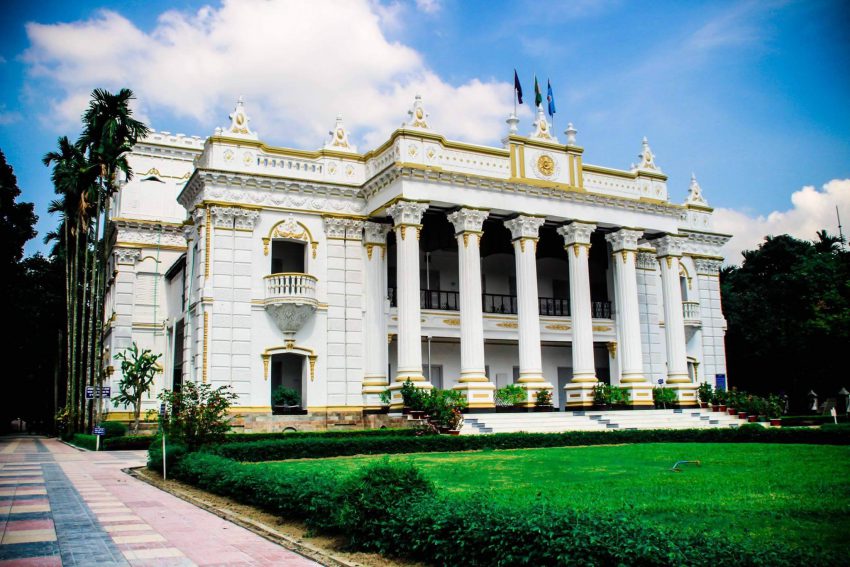
Tangail
Tangail, a significant city in central Bangladesh, is located on the banks of the Louhajang River. Approximately 83 kilometers northwest of Dhaka, the capital of Bangladesh, Tangail is rich in history, culture, and economic activity.
Historical Significance
Early History
The name "Tangail" is derived from the Bengali word "tanga," which means horse cart, reflecting the primary mode of transportation in the early 19th century. Tangail became an important business center during this period, with trade and commerce flourishing in the region.
Tangail Airdrop (1971)
A notable event in Tangail’s history is the Tangail Airdrop during the Indo-Pakistani War of 1971. Indian para commandos successfully captured the Poongli Bridge, which played a crucial role in the liberation of Bangladesh. This strategic victory was significant in the context of the Bangladesh Liberation War, leading to the ultimate independence of the country.
Modern Development
Tangail officially became a municipality on July 1, 1887, and was established as a district in 1969. Today, the city is divided into 18 wards, encompassing a blend of urban and rural characteristics. Over the years, Tangail has seen substantial infrastructural development, including improvements in roads, bridges, and public utilities.
Geography and Climate
Tangail is situated in a floodplain near the Jamuna River, which contributes to its fertile land. The city experiences a tropical savanna climate, characterized by hot, humid summers and warm, dry winters. The average annual temperature is around 27.5°C, with an average annual rainfall of approximately 1817 mm.
Population and Education
According to the 2011 census, Tangail has a population of around 167,412 people. The city boasts a literacy rate of 71.78%, higher than the national average. Tangail is home to several educational institutions, including Mawlana Bhashani Science and Technology University and Sheikh Hasina Medical College, which contribute significantly to the region's educational development.
Transportation
Tangail is well-connected by road and rail. Several bus lines operate between Tangail and Dhaka, providing frequent and reliable service. The Tangail railway station offers connectivity to Dhaka and other major cities. Although Tangail Airport, opened in 1967, has not been maintained since 1976, the city's road and rail networks ensure adequate transportation options.
Economy and Industry
Tangail is renowned for its handloom sarees, particularly the famous Tangail Saree made of cotton and silk. This traditional craft is a significant part of the local economy. Additionally, the region produces a variety of agricultural products, including paddy, jute, and vegetables. Tangail is also famous for its sweet, Cham-Cham, which attracts visitors from across the country.
Tourist Attractions
Tangail offers several parks and historical sites that attract tourists. The Madhupur National Park, one of Bangladesh's oldest national parks, is partially located in Tangail, offering a haven for wildlife and nature enthusiasts. Other notable sites include:
- Atia Mosque: A historic mosque with beautiful architecture.
- Dhanbari Zamindar Bari: A palace with historical significance.
- Hemnagar Zamindar Bari: Another historical palace that reflects the region's rich heritage.
Notable Residents
Tangail has been home to many prominent figures, including:
- Syed Nawab Ali Chowdhury: A founding member of Dhaka University.
- Maulana Abdul Hamid Khan Bhashani: A notable Islamic scholar and political leader.
- Abu Sayeed Chowdhury: The second President of Bangladesh.
Cultural Heritage
The cultural heritage of Tangail is vibrant and diverse. The city is known for its traditional music, dance, and festivals, which reflect the rich cultural tapestry of the region. The handloom industry, producing the famous Tangail Saree, is not only an economic asset but also a cultural symbol of the area.
Future Prospects
With ongoing development projects and a focus on education and industry, Tangail is poised for significant growth in the coming years. The city's strategic location, rich cultural heritage, and strong educational institutions make it a potential hub for future economic and social development.
Conclusion
Tangail, with its rich history and vibrant culture, stands as a testament to Bangladesh's diverse heritage. From the strategic victories in the 1971 Liberation War to its thriving handloom industry, the city embodies resilience and tradition. As Tangail continues to develop, with improvements in infrastructure, education, and industry, it remains a crucial part of Bangladesh's journey towards progress and prosperity. Its blend of historical significance, cultural richness, and modern growth makes Tangail a unique and vital region in the heart of Bangladesh. The city's ongoing evolution promises a bright future, reflecting both its storied past and its dynamic potential.
