
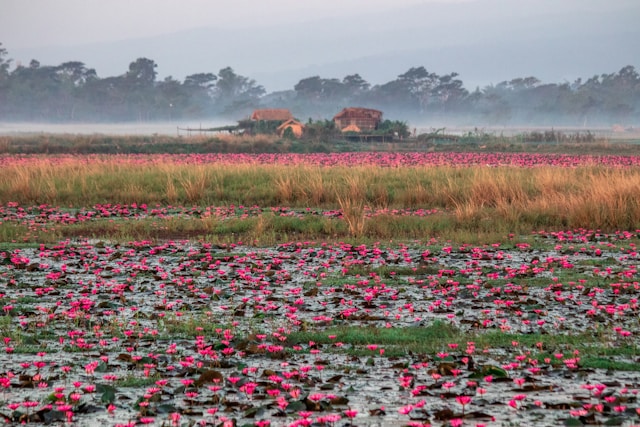
Sunamganj
Sunamganj is a district located in the northeastern part of Bangladesh, under the Sylhet Division. It is bordered to the north by the Khasi and Jaintia hills of Meghalaya (an Indian state), to the south by Habiganj district, to the east by Sylhet district, and to the west by Netrokona district. Sunamganj is part of the Sylhet Division. This district has a rich history and cultural heritage, influenced by neighboring Indian states such as Manipur, Khasi, Garo, and Hajong communities. Known for its natural beauty, Sunamganj is home to rivers like Surma, Kalni, Kushiyara, Baulai, Dhanu, Someshwari, and Jalalpur, along with agricultural products such as rice, oilseeds, oranges, mangoes, vegetables, and fish.
The district is home to several historical and religious sites, including the ruins of ancient Sonargaon city, the shrine of Hazrat Shah Jalal (R), the shrine of Hazrat Shah Paran (R), and the Sunamganj Museum. With attractions like Hakaluki Haor, Modhupur National Park, and Nilachal Hills, Sunamganj is a popular tourist destination.
Historical and Cultural Significance
The history behind the naming of Sunamganj is long and complex. The district was originally part of the Laur kingdom, a Hindu kingdom that existed in the region from the 7th to 13th century. After the Muslim conquest of Sylhet in 1303, the Laur kingdom was dissolved, and Sunamganj became part of the Sylhet Sultanate. The name "Sunamganj" comes from its founder, Sepoy Sunamuddin, who established a marketplace on the banks of the Surma River in the 14th century.
In the 16th century, Sunamganj was conquered by the Mughal Empire. The Mughals ruled the region for over 200 years, during which Sunamganj developed into a major center for trade and commerce. In the 18th century, as the Mughal Empire began to decline, Sunamganj was annexed by the British East India Company. The British ruled Sunamganj for over 100 years, during which the district saw significant economic and social development.
In 1947, when India and Pakistan gained independence from British rule, Sunamganj became part of East Pakistan. In 1971, East Pakistan declared independence from Pakistan and became the sovereign state of Bangladesh. Since then, Sunamganj has been a part of Bangladesh.
The history of Sunamganj's name reflects the long and complex history of the region. The district has been ruled by various empires and states over the centuries, each leaving its mark on the culture and identity of the region. Today, Sunamganj is a vibrant and diverse district with a rich history and culture.
Key Attractions
-
Tanguar Haor:
This vast wetland is home to various wildlife, including fish, birds, and crocodiles. It is a popular destination for birdwatching and boating. -
Surma Bridge:
This iconic bridge spans the Surma River and connects Sunamganj with other parts of Bangladesh. It is a popular spot for photography and sightseeing. -
Barik Tila:
The hilltop offers stunning views of the surrounding countryside. It is a popular location for picnics and hiking. -
Jadukata River:
Known for its rapids and waterfalls, this river is a popular destination for white-water rafting and kayaking. -
Srimangal:
Famous for its tea gardens, Srimangal is a popular destination for tea enthusiasts and nature lovers. -
Niladri Lake:
Located in the heart of Sunamganj town, this lake is a popular spot for swimming, boating, and fishing. -
Srimangal Wildlife Sanctuary:
This sanctuary is home to various wildlife, including deer, elephants, and tigers, making it a popular destination for wildlife enthusiasts. -
Latu Sahib's Shrine:
This shrine is dedicated to Latu Sahib, a Muslim saint believed to have miraculous powers. It is a popular destination for pilgrims and tourists alike. -
Dhamrai:
This village is known for its traditional boat-building craft and attracts visitors interested in learning about the process of making traditional boats. -
Komlapur:
Famous for traditional pottery, this village is a popular destination for those who want to learn about the process of making traditional pottery. -
Sunamganj City Park:
The most popular park in Sunamganj, located at the heart of the city. It is an excellent place for relaxation and outdoor activities, with facilities like playgrounds, a swimming pool, and jogging tracks. -
Sunamganj Government Park:
Located near Sunamganj City Park, it is a smaller park but still a great spot for relaxation and outdoor enjoyment. The park has various trees and flowers and is a popular picnic location. -
Sunamganj Tourist Park:
Situated by the banks of the Surma River, this park offers scenic river views and fresh air. Facilities include playgrounds, a swimming pool, and restaurants. -
Sunamganj War Cemetery:
Located on the outskirts of Sunamganj, this cemetery is the final resting place of over 1,000 British and Commonwealth soldiers who died during World War II. It is a peaceful place to remember those who lost their lives in the war. -
Sunamganj Zoo:
Situated on the outskirts of Sunamganj, the zoo is home to various animals, including tigers, lions, elephants, and monkeys. It is an excellent place to learn about and see animals up close.
Sunamganj District is renowned for its natural beauty, rich culture, and diverse ethnic communities. Located in northeastern Bangladesh under Sylhet Division, the district boasts a vast number of freshwater fish sources and more haors than any other district in Bangladesh. These haors, or large, shallow wetlands, serve as habitats for various fish and aquatic animals.
Sunamganj is home to several ethnic groups, including Manipuri, Khasi, Garo, and Hajong communities, each with unique cultures and traditions reflected in the district's art, music, and dance. The district is a popular tourist destination, with sites like Tanguar Haor, Hasan Raja Museum, and Pagla Mosque. It is also a perfect place to enjoy Bangladesh's natural beauty, with its hills, rivers, and wetlands offering stunning scenery and opportunities for outdoor activities.
