
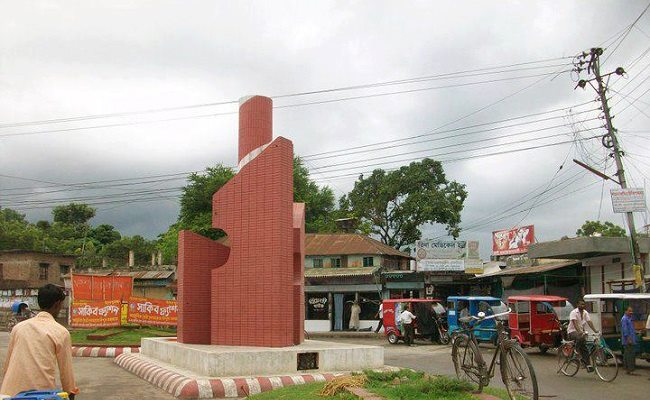
Rajbari
Rajbari, a picturesque district in central Bangladesh, is a blend of natural beauty, cultural heritage, and historical significance. Nestled along the mighty Padma River, this district is a gateway to both the northern and southern parts of the country, offering a rich tapestry of landscapes, traditions, and stories.
Geography and Rivers
Rajbari is bordered by the Padma River to the north, which flows gracefully through the district and meets the Jamuna near Aricha. To the south, the Gorai River, a branch of the Padma, separates Rajbari from Jhenaidah and Magura districts. Faridpur lies to its east, and Kushtia to the west. The district is also home to ancient rivers like the Harai, Chitra, and Chandna, though they are now mostly dry. Rajbari’s location makes it a central hub for connecting different regions of Bangladesh by road, rail, and waterways.
Climate and Environment
Rajbari enjoys a moderate climate, with temperatures ranging from 9°C in winter to 33°C in summer. Rainfall averages between 22 to 38 millimeters, and the humidity level is around 75%. The district’s fertile land and rivers make it an agricultural heartland, supporting its economy and sustaining the livelihoods of most of its residents.
Cultural and Historical Significance
Rajbari has a rich history, playing an important role in movements like the Fakir-Sannyasi Movement, the Swadeshi Movement, the Liberation War, and the Language Movement. This district has also contributed notable figures to Bangladesh’s cultural and political landscape.
It is the birthplace of renowned artist Rashid Chowdhury and the famous Jal Tarang musician Baman Das Guha. The district is also home to the grave of Mir Mosharraf Hossain, the celebrated author of Bishad Sindhu. His resting place in Padamdi, Baliakandi upazila, attracts admirers of Bangla literature.
Sports and Achievements
Rajbari boasts a proud sporting tradition. Its athletes excel in national competitions in swimming, athletics, volleyball, football, and cricket. Notably, female swimmers from Rajbari have represented Bangladesh on international platforms, showcasing the district’s talent and dedication to sports.
People and Lifestyle
The population of Rajbari is approximately 952,000, with Muslims making up 90% of the residents, followed by Hindus and a small Christian community. The people of Rajbari live in harmony, valuing communal peace and respect for all religions. While agriculture remains the primary occupation, the district is gradually diversifying with small-scale industries and businesses. Traditional professions like blacksmithing, pottery, weaving, and fishing are still practiced here, preserving the district’s cultural roots.
Economy and Industries
Rajbari’s economy is primarily agriculture-based, but small industries are slowly emerging. Notable industries include the Goaland Textile Mill, Rajbari Jute Mill, and a rectified spirit manufacturing factory. Additionally, several small enterprises operate under the Bangladesh Small and Cottage Industries Corporation (BSCIC), contributing to local employment.
Transportation and Connectivity
Rajbari is well-connected to other parts of Bangladesh through roads, railways, and waterways. The Daulatdia-Faridpur highway links Rajbari to Barishal, Jashore, and Khulna, while the Rajbari-Kushtia highway provides access to the northern regions. Railways connect the district to Khulna, Rajshahi, and Rangpur, with regular local and intercity trains. Water transport routes like Daulatdia-Paturia and Daulatdia-Aricha facilitate easy travel to nearby districts, including Dhaka and Manikganj.
Why Visit Rajbari?
Rajbari is a destination for those seeking history, culture, and scenic river views. From its historical landmarks like Shilaidaha Kuthi Bari near the district's western edge to its vibrant cultural legacy, Rajbari offers visitors a unique glimpse into the heart of Bangladesh.
