
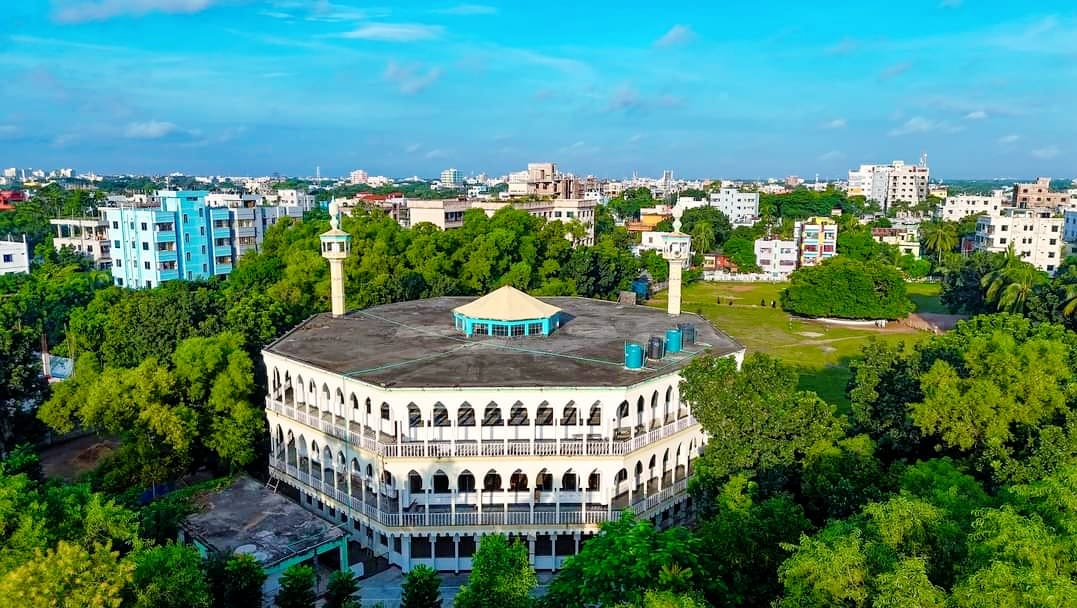
Narsingdi
Narsingdi, located in central Bangladesh within the Dhaka Division, is a district rich in history and culture. With archaeological finds dating back 3,000 years in Wari-Bateshwar, Narsingdi offers a fascinating glimpse into ancient civilizations. Known as 'Subarnabithi' during the Sultani reign and 'Maheshwardi' in the Mughal era, the district has a deep historical significance.
Geography and People
Situated between 23.46°N and 24.15°N latitudes and 90.34°E and 90.59°E longitudes, Narsingdi covers an area of 1,150.14 square kilometers. It is bordered by Kishoreganj, Brahmanbaria, Narayanganj, and Gazipur. The district's population is around 2.2 million, predominantly Muslim, with Hindu, Buddhist, and Christian minorities.
Administration and Education
Narsingdi became a district in 1984 and comprises six upazilas: Belabo, Monohardi, Shibpur, Raipura, Palash, and Narsingdi Sadar. The district boasts numerous educational institutions, including Narsingdi University College, various government and non-government colleges, high schools, and technical colleges, ensuring a strong educational infrastructure.
Cultural Heritage
Narsingdi is home to many notable cultural figures, including poet Shamsur Rahman and author Alauddin Al Azad. The district's cultural richness is further highlighted by historical sites such as the Wari-Bateshwar ruins, Parulia Mosque, and Balapur Zamindar Bari, reflecting its diverse heritage.
Economy and Industry
Nicknamed the "Manchester of Bangladesh," Narsingdi is renowned for its textile industry, producing a wide range of loom and textile products like 'lungi' and 'sari.' Agriculture also thrives here, with major crops including paddy, jute, wheat, sugarcane, and vegetables. The district is a leading producer of bananas and other fruits.
Connectivity and Transport
Narsingdi enjoys excellent transportation links, situated along the Dhaka-Sylhet National Highway with robust rail and waterway connections. This infrastructure supports the district's economic growth and enhances the quality of life for its residents.
Tourist Attractions
Visitors to Narsingdi can explore a variety of historical and cultural sites. The ancient Wari-Bateshwar ruins and the 16th-century Ashrafpur Mosque are significant attractions. The district's scenic rivers, such as the Meghna, Shitalakshya, Arial Khan, and Old Brahmaputra, add to its natural beauty.
Conclusion
Narsingdi seamlessly blends its rich historical past with modern advancements. Its contributions to Bangladesh’s culture, economy, and history make it a remarkable district. Whether exploring its ancient ruins or engaging with its vibrant textile industry, Narsingdi offers a unique and enriching experience.
