
Moulvibazar
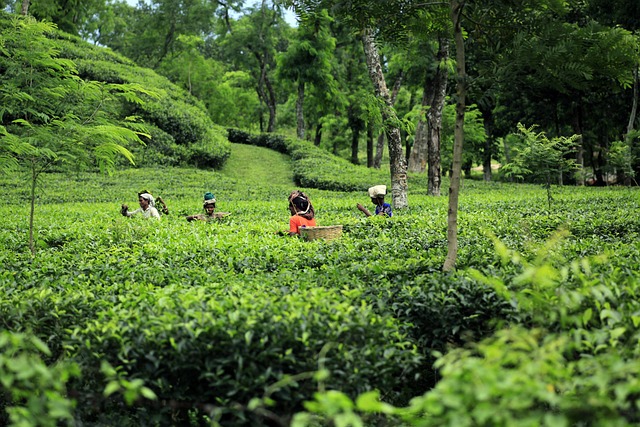
Moulvibazar, located in the Sylhet division of Bangladesh, is a district steeped in natural beauty and historical significance. Known for its breathtaking tea gardens, unique cultural heritage, and lush landscapes, Moulvibazar attracts visitors seeking both tranquility and history. Its contribution to Bangladesh’s economy and identity makes it a remarkable destination for locals and tourists alike.
Top Tourist Attractions in Moulvibazar
The district is home to numerous sites of natural and historical interest:
- Lawachara National Park: A sanctuary of biodiversity, offering visitors a chance to explore nature at its finest.
- Hamidur Rahman Memorial: Dedicated to Bir Sreshtho Hamidur Rahman, a symbol of Bangladesh's liberation war.
- Shrine of Hazrat Shah Mustafa (R.): A spiritual hub and a testament to the district’s religious heritage.
- Madhabpur Lake: A serene waterbody surrounded by tea gardens, perfect for a peaceful retreat.
- Tea Gardens: With 92 active tea estates, including the renowned Tea Research Institute, Moulvibazar is a cornerstone of Bangladesh's tea industry.
- Monu Barrage: A scenic spot offering stunning views of the surroundings.
- Manipuri Villages: An opportunity to witness the vibrant culture of the Manipuri ethnic community.
- Lemon, Pineapple, and Orange Orchards: Adding to the district’s charm with their agricultural richness.
The History Behind Moulvibazar
Moulvibazar has a rich historical legacy. The Monu River, a key feature of the district, is named after the sage Manu, believed to have worshipped Lord Shiva on its banks. References to this region are found in the epic tales of the Ramayana and Mahabharata.
During the Sultanate period, Moulvibazar became a significant part of the Sylhet region under Muslim rule. Hazrat Shah Mustafa (R.) played an essential role in spreading Islam here, leaving a lasting spiritual legacy.
The region also witnessed the fierce Sepoy Rebellion of 1857, where freedom fighters from areas like Latu showed unparalleled bravery against British rule. These events highlight Moulvibazar’s role in shaping the history of Bangladesh.
Origin of the Name 'Moulvibazar'
The name 'Moulvibazar' originates from Moulvi Syed Qudrat Ullah, a prominent figure and descendant of Hazrat Shah Mustafa (R.). He established a marketplace on his land near the Monu River, which locals called “Moulvi Sahib’s Bazaar.” Over time, this evolved into the name we use today.
Economic Contributions
Moulvibazar is a vital part of Bangladesh’s economy, especially for its tea production. The district is known as the "Land of Two Leaves and a Bud," producing 64% of the nation’s tea. Its 93 tea gardens, including the world-famous Sylhet tea estates, are a cornerstone of the country's tea industry.
Additionally, the Barlekha area is renowned for producing high-quality agarwood and attar, which are exported worldwide. Citrus fruits, pineapples, rubber, and natural gas are also significant contributors to the region's economy.
Administrative Structure
Moulvibazar’s journey as an administrative region began as a subdivision of Sylhet in 1960. In 1984, it was officially recognized as a district. Today, it consists of seven upazilas: Moulvibazar Sadar, Sreemangal, Rajnagar, Kulaura, Barlekha, Kamalganj, and Juri.
Conclusion
From its lush tea gardens to its historical landmarks, Moulvibazar is a district where nature and history harmoniously blend. Its vibrant cultural traditions, spiritual significance, and economic contributions make it a unique and treasured part of Bangladesh. Whether you’re drawn to its scenic landscapes or its deep historical roots, Moulvibazar offers an unforgettable experience for every traveler.
