
Manikganj
Manikganj, a district in central Bangladesh, is rich in history and culture. The name "Manikganj" likely comes from Sufi Manik Sha. The district, which became a full-fledged district in 1984, is located by the Kaliganga River. Initially, it was part of Faridpur Zila and later included in Dhaka Zila in 1956 for administrative purposes.
Geography and Demographics
Manikganj covers an area of 1,378.99 sq km. It is bordered by Tangail District to the north, Dhaka District to the east, and Pabna and Rajbari Districts across the Padma and Jamuna rivers to the west. The district includes seven upazilas: Manikganj Sadar, Singair, Shivalaya, Saturia, Harirampur, Ghior, and Daulatpur.
With a population of approximately 1.27 million, Manikganj is home to a diverse community. About 87% of the population is Muslim, 12.41% Hindu, and there are small communities of Christians, Buddhists, and others. The literacy rate is around 26.9%, with males at 33.7% and females at 20.1%.
History and Heritage
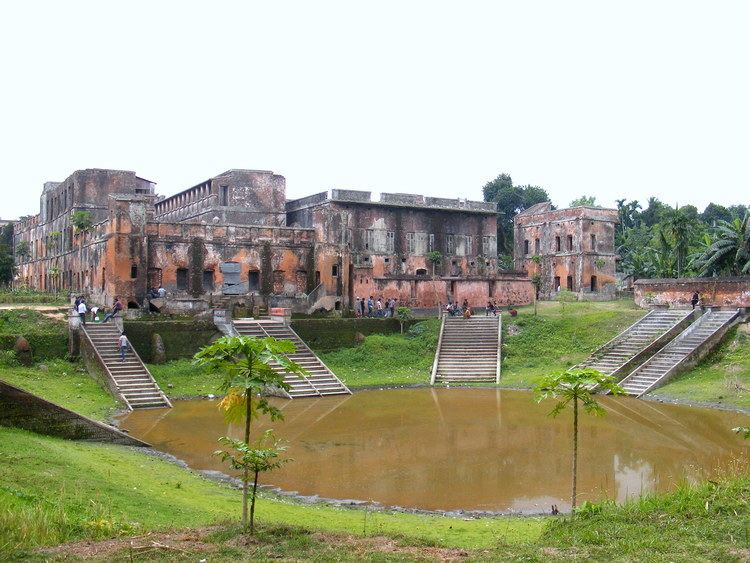
Manikganj has a storied past, particularly during the British period when it was ruled by the Nawab-E-Nazims. The district is dotted with remnants of the Zamindari era, including the historic Baliati Zamindar Palace in Saturia Upazila and other palaces in Ghior and Shibalaya Upazilas.
During the Liberation War of 1971, Manikganj played a significant role. Notable events include the attack on Pakistani soldiers by freedom fighters at various locations, resulting in significant casualties and heroic acts. Several mass graves and memorial monuments, such as those near the Manikganj Bus stand and in Terasree village, commemorate the sacrifices made during the war.
Economy and Agriculture
Agriculture is the mainstay of Manikganj's economy, employing 37.96% of the workforce. The district produces rice, jute, wheat, mustard, tobacco, and vegetables. However, due to frequent flash floods from the Padma and Jamuna rivers, food production often falls short of demand.
In recent years, industries have begun to develop in Manikganj, including the Dhaka Tobacco Industries, Akiz Particle Board Ltd., Munno Textile, Basundhara Steel Factory, and Manikganj Garment Factory. The district is also famous for its Hazari gur, a type of date sugar known for its purity and flavor, with Jhitka in Harirampur Upazila being a major production center.
Transportation and Communication
Transportation in Manikganj primarily relies on roads and waterways, but the extensive river network often disrupts communication, especially during the rainy season. This natural challenge affects the development of an efficient intercommunication system compared to nearby districts.
Education and Notable Personalities
Manikganj boasts a range of educational institutions, including Manikganj Government High School (established in 1884), Debendra College (established in 1942), and numerous primary and secondary schools, madrasas, and vocational institutes. The average literacy rate is 49.2%, with a higher rate in males (52.6%) than in females (46%).
The district is proud to be the home of several notable personalities, including Nobel Laureate economist Amartya Sen, freedom fighter Captain A. Halim Chowdhury, and famous singer Momtaz.
Cultural Significance
Manikganj is a treasure trove of Bengali culture, with rich traditions in folk music, dance, and festivals. Popular folk songs and performances include Bera Bhasan, Bichhat, Onni song, Jarigan, Sarigan, Bhatiali, and Baul songs. The district also celebrates various traditional festivals and has a vibrant community life centered around these cultural practices.
Places of Interest
Tourists can explore numerous historical and cultural sites in Manikganj, such as:
- Baliati Zamindar Palace
- Teota Rajbari and Neel-kuthi in Shivalaya Upazila
- Imampara Jami Masjid
- Ekdala Fort
- Machain Mosque
- Tomb of Shah Rustam
These sites offer a glimpse into the district's rich past and architectural heritage.
Conclusion
Manikganj is a district that seamlessly blends historical significance with cultural richness. Despite challenges like frequent flooding, the district continues to thrive with its agricultural base, emerging industries, and educational institutions. Whether you are a history enthusiast, a culture lover, or someone interested in exploring new places, Manikganj has something to offer for everyone.
